

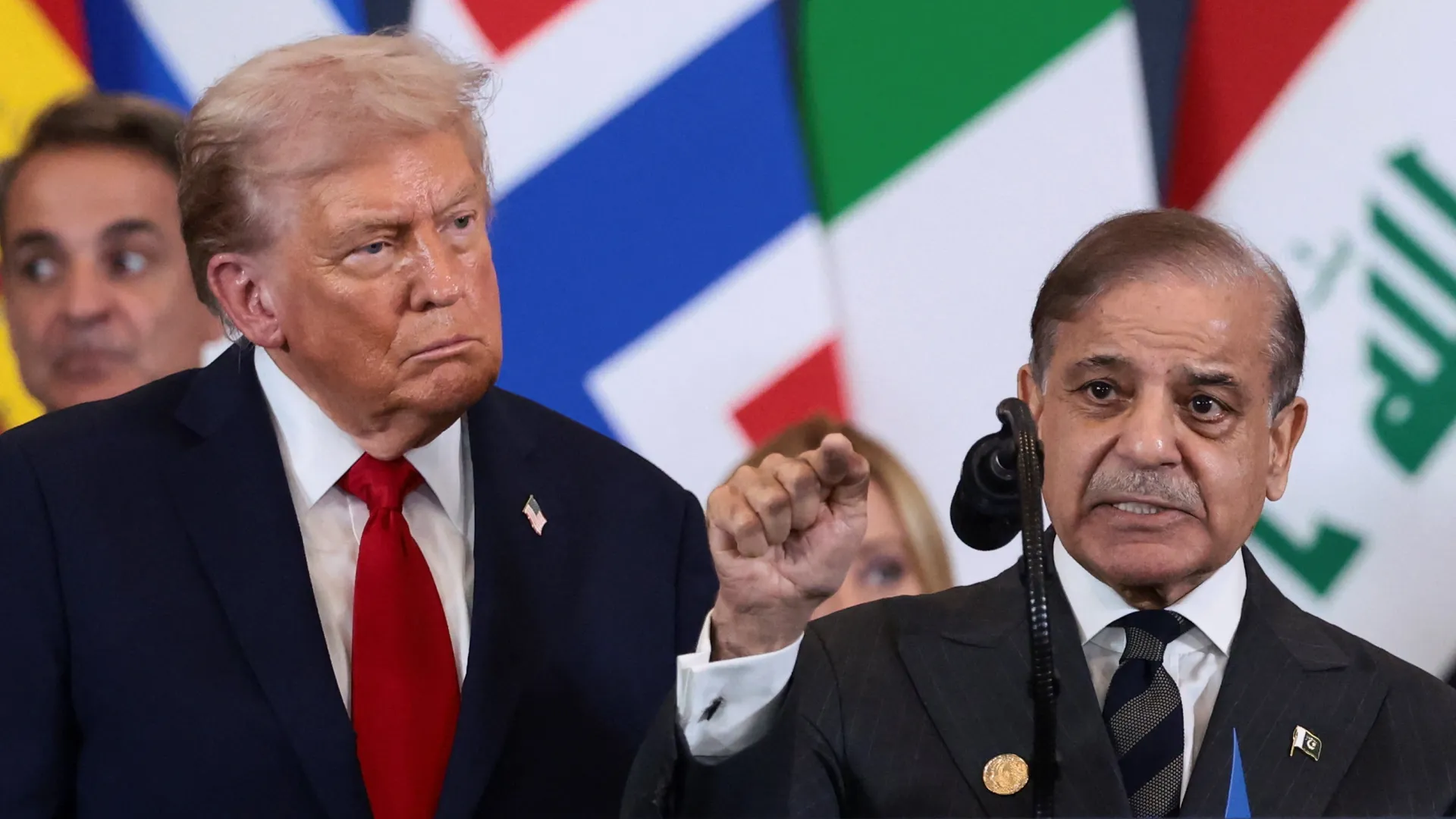
Between Hope and Hesitation: Pakistan Watches Closely as Trump Signals Potential Gaza Peace Force
ISLAMABAD – As the geopolitical landscape shifts following the U.S. presidential election, Pakistan finds itself in a delicate state of “wait and see.” With Donald Trump preparing to return to the Oval Office, his recent rhetoric regarding a potential multinational peacekeeping force for Gaza has sparked both cautious optimism and strategic anxiety within Pakistan’s diplomatic circles.
For a nation that has long championed the Palestinian cause, the prospect of a resolution to the devastating conflict in Gaza is deeply personal. However, the specifics of Trump’s vision—which reportedly includes mobilizing regional troops to secure a post-war Gaza—place Islamabad in a complex position.
A Shift in the Wind
During his campaign and transition period, Trump has signaled a desire to end the hostilities quickly, often suggesting that regional partners should take more “skin in the game.” For Pakistan, a country with a history of contributing to UN peacekeeping missions but currently grappling with its own internal economic and security challenges, the suggestion of deploying boots on the ground is a heavy proposition.
“There is a sense of cautious anticipation,” says a senior diplomatic source in Islamabad. “On one hand, any move toward a ceasefire is a relief. On the other, the ‘Trump doctrine’ is often unpredictable. We are waiting to see if this is a genuine push for peace or a strategic pivot that asks more of Muslim-majority nations than they are prepared to give.”
The Weight of Public Sentiment
In the bustling markets of Lahore and the cafes of Islamabad, the plight of Gazans remains a constant topic of conversation. The emotional resonance of the conflict cannot be overstated; the Pakistani public feels a profound connection to the humanitarian crisis.
However, the memory of past foreign interventions remains fresh. Many Pakistanis are wary of being drawn into a Middle Eastern security architecture that might prioritize Western interests over local stability. The challenge for the Pakistani government will be balancing this deep-seated empathy for Palestinians with a pragmatic foreign policy that avoids overextension.
Strategic Silence
Officially, Pakistan’s Foreign Office has remained measured. The current stance is one of observation. Analysts suggest that Islamabad is waiting for a formal roadmap from the incoming Trump administration before making any commitments.
Key questions remain: Would such a force operate under a United Nations mandate? What would be the rules of engagement? And, perhaps most importantly for a cash-strapped Pakistan, who would fund such an extensive operation?
The Road Ahead
The relationship between Trump and Pakistan has historically been a rollercoaster, swinging from public rebukes to high-level hospitality. As Trump “counts troops” and looks toward regional allies to stabilize Gaza, Pakistan is aware that its response could define its relationship with the U.S. for the next four years.
For now, the mood in the capital is one of quiet preparation. Pakistan is ready to support a peaceful Gaza, but it is not yet ready to leap into the unknown. As the world watches the transition of power in Washington, Islamabad remains in a holding pattern—hoping for peace, but waiting for clarity.
- Sponsored: Looking for thebest CCTV camera price in Pakistan? Shop IP cameras,Wireless cameras, Long range 4G Solar security cameras Indoor Outdoor Bulb camera4G Camera and Multi Lans cameras and other electronics for home and business at unbeatable prices. MyGSS.pk offers a wide selection of quality brands like VStarcam,IMOU,Dahua,Ezviz,Tenda,V380,Hikvision,andTP-Link and also the official distributor of VStarcam brand.” COD is available in Lahore, Karachi, Islamabad, Rawalpindi, Pashiwer, Multan, Quetta, & over 300+ cities and towns in Pakistan, And offers CCTV camera Installation guide on website