

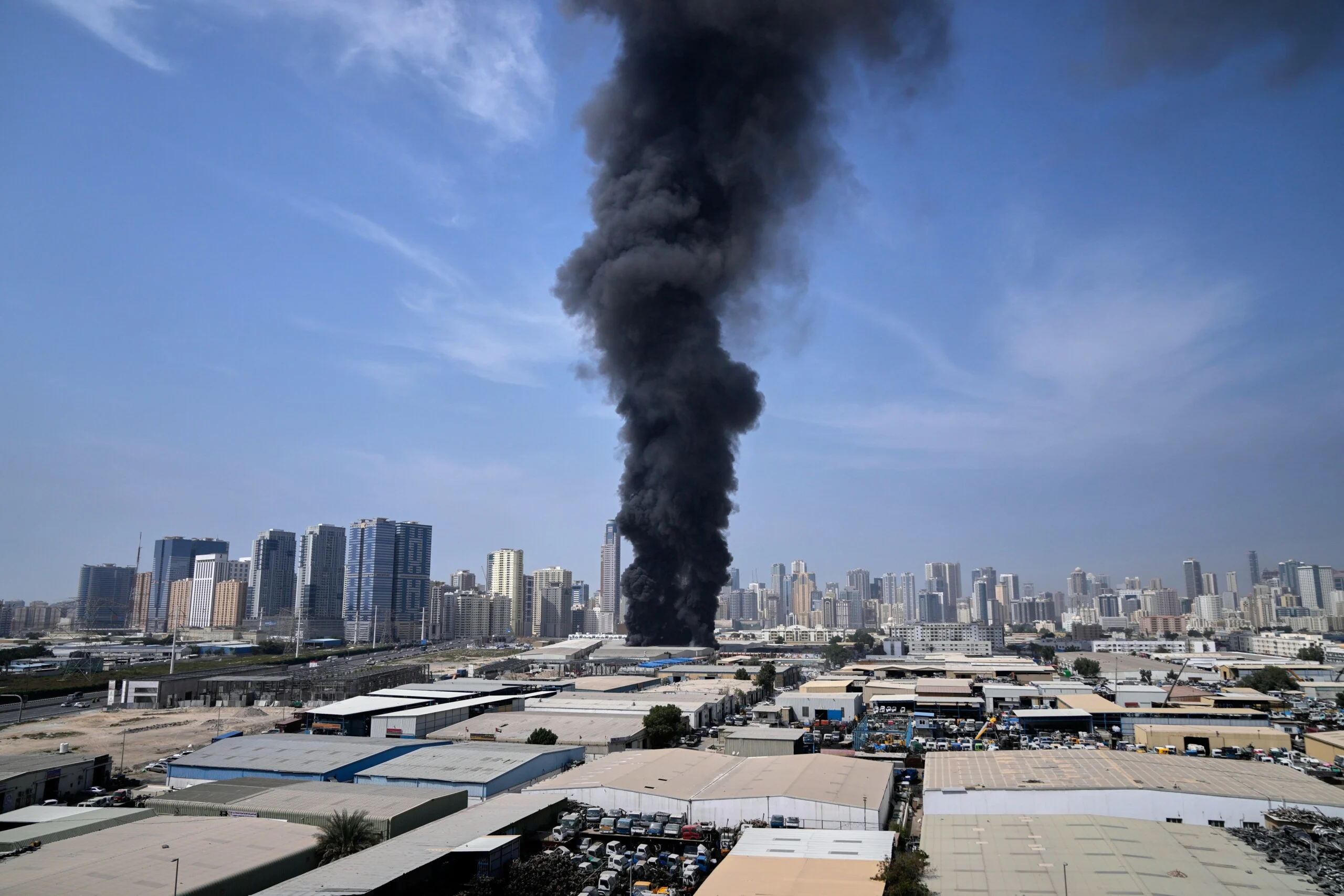
Middle East Conflict Escalates as Israel Strikes Tehran and Beirut; Trump Signals Potential for Extended Campaign
JERUSALEM/TEHRAN — The shadow of a full-scale regional war darkened across the Middle East this week as Israel launched a series of unprecedented airstrikes targeting both the Iranian capital, Tehran, and the Lebanese capital, Beirut. The dramatic escalation marks a significant widening of the conflict, occurring just as U.S. President-elect Donald Trump signaled his support for what could become a weeks-long military campaign against Iranian interests.
For residents in Tehran and Beirut, the sound of explosions has replaced any lingering hopes for a diplomatic ceasefire. The strikes represent a bold shift in Israeli strategy, moving beyond border skirmishes and proxy battles into direct, high-stakes confrontations with the heart of the Iranian government and its primary regional ally, Hezbollah.
A Two-Front Surge
In Lebanon, the strikes on Beirut have targeted what the Israeli military describes as “strategic assets” belonging to Hezbollah. However, the human cost in the densely populated capital is mounting. Families who have already endured months of economic instability now find themselves fleeing neighborhoods that were once considered safe havens.
Simultaneously, the strikes on Tehran have sent shockwaves through the international community. While Israel has long been suspected of conducting covert operations within Iranian borders, these overt aerial strikes on the capital signal a new, more volatile chapter. Iranian officials have vowed a “crushing response,” raising fears of a tit-for-tat cycle that could draw in global powers.
The “Trump Factor”
Adding a layer of geopolitical complexity is the stance of U.S. President-elect Donald Trump. In recent statements, Trump has signaled a “green light” for Israel to intensify its operations, suggesting that a campaign against Iran could last for weeks. This rhetoric marks a departure from the more cautious, de-escalatory tone often sought by the outgoing Biden administration.
For many observers, Trump’s signals suggest a shift toward “maximum pressure” 2.0—a strategy that prioritizes military leverage to force a collapse or total renegotiation of Iran’s regional influence. However, critics warn that such a prolonged campaign risks a humanitarian catastrophe and could lead to an uncontrollable regional firestorm.
The Human Toll
Beyond the strategic maps and political rhetoric, the reality on the ground is one of profound anxiety. In Beirut, the smell of smoke hangs heavy over the streets as rescue workers sift through rubble. In Tehran, the strikes have shattered the illusion of domestic invulnerability, leaving a population already weary of economic sanctions bracing for the unknown.
“We just want to sleep without the sound of drones,” said one resident of Beirut, echoing a sentiment shared by millions across the region. “Every time we think it can’t get worse, the circle of war gets wider.”
Global Reactions
The international community remains deeply divided. While some Western allies have reaffirmed Israel’s right to self-defense against Iranian-backed threats, leaders in the Global South and various UN agencies have called for an immediate cessation of hostilities. There are growing concerns that the infrastructure of peace—diplomatic channels and international law—is being dismantled in favor of raw military might.
As Israel continues its operations and the world awaits the official transition of power in Washington, the Middle East stands at a perilous crossroads. The coming weeks will determine whether this is a temporary surge in violence or the beginning of a transformative, and potentially devastating, new era of warfare in the region.
- Sponsored: Looking for thebest CCTV camera price in Pakistan? Shop IP cameras,Wireless cameras, Long range 4G Solar security cameras Indoor Outdoor Bulb camera4G Camera and Multi Lans cameras and other electronics for home and business at unbeatable prices. MyGSS.pk offers a wide selection of quality brands like VStarcam,IMOU,Dahua,Ezviz,Tenda,V380,Hikvision,andTP-Link and also the official distributor of VStarcam brand.” COD is available in Lahore, Karachi, Islamabad, Rawalpindi, Pashiwer, Multan, Quetta, & over 300+ cities and towns in Pakistan, And offers CCTV camera Installation guide on website