

Global Markets Shaken as Iran Launches Fresh Regional Strikes Amid Rising Oil Concerns
TEHRAN / NEW YORK – The fragile sense of stability in the Middle East was upended once again late Tuesday as Iran launched a series of fresh military strikes across the region. The escalation has sent shockwaves through global financial centers, leaving investors scrambling and fueling deep-seated fears over the security of the world’s primary oil supply routes.
A Night of Escalation
The strikes, which targeted multiple locations across regional borders, mark a significant intensification of Tehran’s military posture. While Iranian officials characterized the moves as a necessary defense of national sovereignty and a deterrent against perceived threats, the international community has reacted with a mixture of alarm and condemnation.
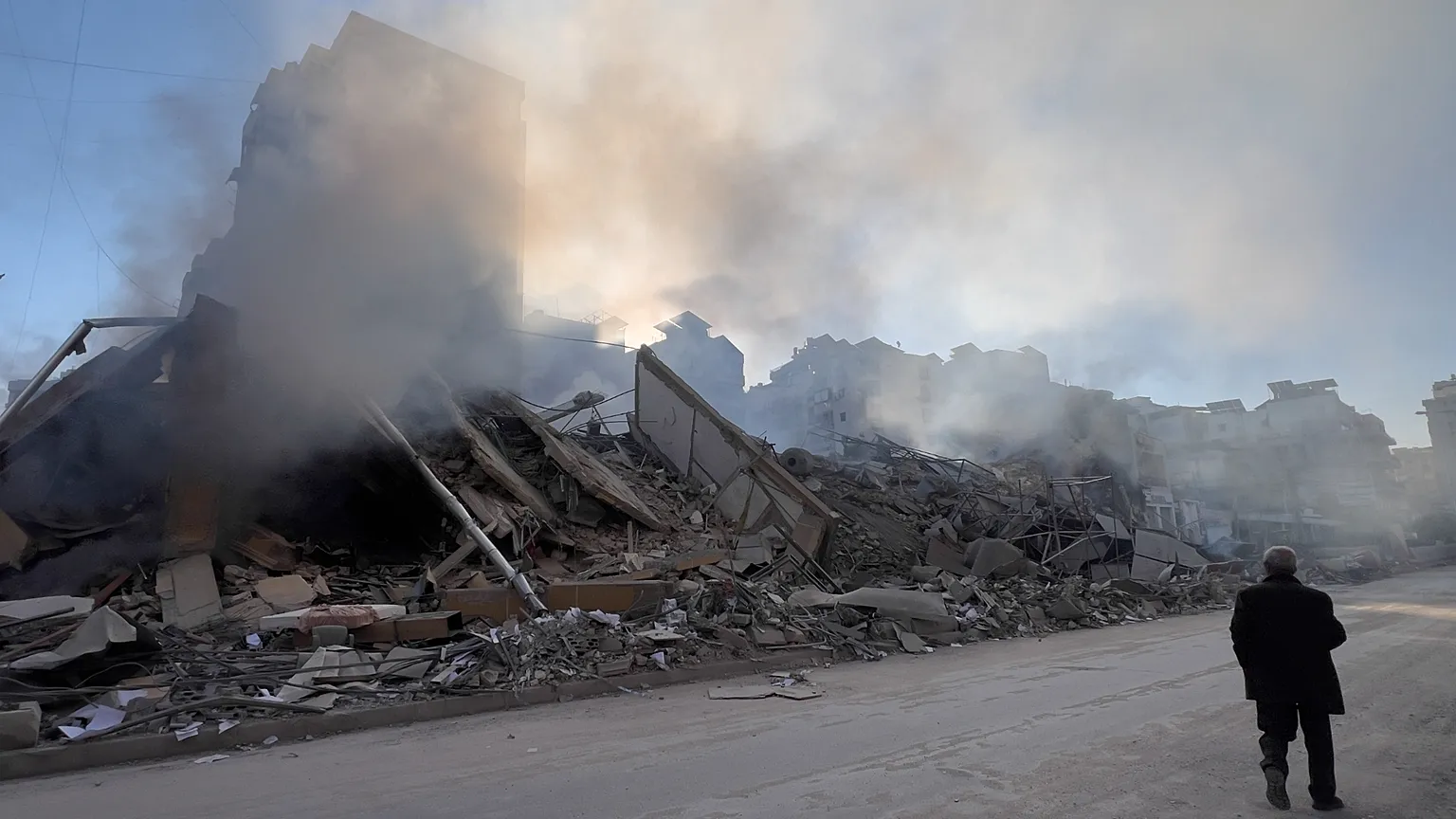
For the people living in the crosshairs, the strikes are more than just geopolitical chess moves; they represent a terrifying disruption of daily life. Reports from the ground describe the harrowing sounds of explosions and the immediate uncertainty of what tomorrow might bring for families caught in the middle of a widening shadow war.
Markets in Turmoil
The reaction from Wall Street to Tokyo was swift and unforgiving. As news of the strikes broke, global stock indices dipped sharply, reflecting a “risk-off” sentiment among traders. Investors are traditionally wary of conflict in the Middle East due to its potential to disrupt the delicate balance of the global economy.
“The market hates uncertainty, and right now, that is the only thing in high supply,” said one senior commodities analyst. “We aren’t just looking at numbers on a screen; we’re looking at the potential for a fundamental shift in how energy is moved across the globe.”
The “Oil Factor”
At the heart of the economic anxiety is the price of crude oil. Brent crude surged in the wake of the attacks, as analysts warned of potential bottlenecks in the Strait of Hormuz—a vital artery for the world’s oil trade.
For the average consumer, this isn’t just a headline about “global markets.” It translates to a very real fear of rising costs at the gas pump and an increase in the price of household goods at a time when many are already struggling with inflation. The specter of an energy crisis looms large, evoking memories of past disruptions that stalled global growth.
A Diplomatic Tightrope
World leaders have spent the last 24 hours in emergency consultations, attempting to de-escalate a situation that feels increasingly volatile. The United Nations has called for “maximum restraint,” warning that a single miscalculation could ignite a broader regional conflagration that no one is prepared to handle.
Despite the high-level rhetoric, the human element remains the most poignant. Behind the military maneuvers and the fluctuating market graphs are millions of people hoping for a return to calm.
Looking Ahead
As the dust settles on this latest round of strikes, the world remains on high alert. The coming days will be critical in determining whether diplomatic channels can provide a “cool down” period or if the region is headed toward a more sustained conflict.
For now, the global community watches with bated breath, hoping that the cost of this escalation isn’t measured in more than just dollars and barrels, but in the peace and security of the people who call the region home.
- Sponsored: Looking for thebest CCTV camera price in Pakistan? Shop IP cameras,Wireless cameras, Long range 4G Solar security cameras Indoor Outdoor Bulb camera4G Camera and Multi Lans cameras and other electronics for home and business at unbeatable prices. MyGSS.pk offers a wide selection of quality brands like VStarcam,IMOU,Dahua,Ezviz,Tenda,V380,Hikvision,andTP-Link and also the official distributor of VStarcam brand.” COD is available in Lahore, Karachi, Islamabad, Rawalpindi, Pashiwer, Multan, Quetta, & over 300+ cities and towns in Pakistan, And offers CCTV camera Installation guide on website