

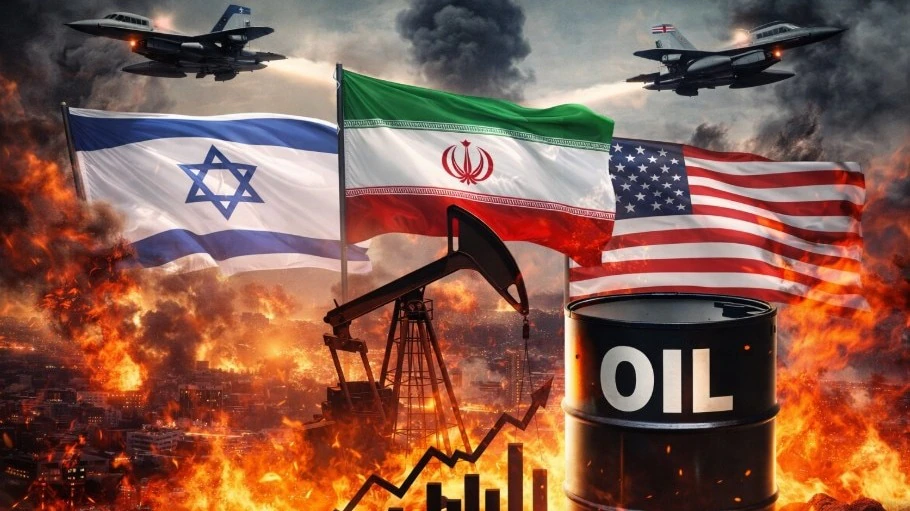
Global Energy Markets Braced for Turmoil as Iran Maintains Oil Blockade Amid Escalating Tensions with Trump
TEHRAN/WASHINGTON — The fragile stability of the global energy market is facing a significant new threat as Iran announced this week that its blockade of critical oil routes will remain in place indefinitely. The declaration has triggered a sharp response from U.S. President-elect Donald Trump, who has vowed to “hit harder” if the Islamic Republic does not reverse course.
The standoff, which centers on the strategic Strait of Hormuz—a narrow waterway through which a fifth of the world’s oil supply passes—has sent ripples of anxiety through international capitals. For the average consumer, this geopolitical chess match isn’t just a headline; it’s a development that could soon be felt at the gas pump and in the cost of heating homes.
A Standoff with No Clear Exit
The Iranian government clarified its position on Wednesday, stating that the blockade is a direct response to ongoing military pressures and economic sanctions. Tehran maintains that the restrictions on oil transit will continue until “attacks” against its interests cease. While the definition of these attacks remains broad, the message is clear: Iran is using its geographical leverage to force a diplomatic or military concession.
For many in the region, the blockade represents more than a policy shift; it is a desperate maneuver in a long-standing cycle of escalation. “We are seeing a game of high-stakes chicken where the world’s economy is the prize,” noted one regional analyst.
Trump Signals a “Harder” Line
The rhetoric from the United States has been equally uncompromising. President-elect Donald Trump, known for his “maximum pressure” campaign during his previous term, took to social media and public addresses to warn Tehran of severe consequences.
Trump signaled that his administration would not only enforce existing sanctions with renewed vigor but would also consider more direct actions to ensure the flow of global commerce. “If they think they can hold the world hostage, they are mistaken,” Trump stated, adding that the U.S. response would be “harder than anything they’ve seen before.”
The exchange of threats has left diplomats scrambling. The human cost of such a confrontation is a growing concern for international observers, who fear that a miscalculation on either side could lead to a hot conflict in an already volatile Middle East.
The Ripple Effect: From Tankers to Tables
Beyond the political posturing, the blockade has immediate practical implications. Shipping companies are already reporting skyrocketing insurance premiums for vessels navigating the Persian Gulf. Some tankers have been rerouted, adding thousands of miles and significant costs to journeys.
For families already struggling with inflation, the prospect of rising energy prices adds a layer of genuine hardship. When oil transit is choked, the cost of everything—from the plastic in grocery bags to the fuel for delivery trucks—tends to rise.
What Lies Ahead
As of Thursday, neither side showed signs of blinking. International mediators, including officials from the European Union and several Gulf nations, are reportedly attempting to open back-channel communications to de-escalate the situation.
For now, the world watches the Strait of Hormuz with bated breath. The coming days will determine whether this is a temporary flare-up of rhetoric or the beginning of a prolonged economic conflict that could reshape global energy security for years to come.
- Sponsored: Looking for thebest CCTV camera price in Pakistan? Shop IP cameras,Wireless cameras, Long range 4G Solar security cameras Indoor Outdoor Bulb camera4G Camera and Multi Lans cameras and other electronics for home and business at unbeatable prices. MyGSS.pk offers a wide selection of quality brands like VStarcam,IMOU,Dahua,Ezviz,Tenda,V380,Hikvision,andTP-Link and also the official distributor of VStarcam brand.” COD is available in Lahore, Karachi, Islamabad, Rawalpindi, Pashiwer, Multan, Quetta, & over 300+ cities and towns in Pakistan, And offers CCTV camera Installation guide on website