

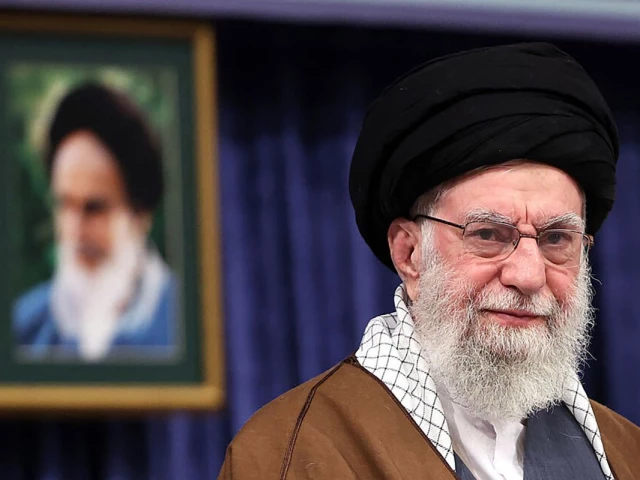
Iran Denounces ‘Mental Warfare’ as Rumors Swirl Regarding Supreme Leader’s Health
TEHRAN – The Iranian government has issued a sharp rebuttal against what it describes as a coordinated campaign of “mental warfare,” following a surge of unverified reports and social media speculation claiming the death of Supreme Leader Ayatollah Ali Khamenei.
The rumors, which gained significant traction over the weekend across various Israeli media outlets and social media platforms, suggested that the 85-year-old leader had passed away or was in a vegetative state. However, Tehran moved quickly to dismiss these claims, framing them as a psychological tactic employed by adversaries to destabilize the nation during a period of intense regional friction.
A Battle of Narratives
In a statement reflecting the high stakes of the current information war, Iranian officials emphasized that such reports are designed to sow panic and uncertainty. “The enemy, frustrated by its inability to achieve its goals on the ground, has resorted to the tool of mental warfare,” a government spokesperson noted, suggesting that the timing of the rumors is no coincidence given the escalating tensions between Iran and Israel.
For many Iranians, the health of the Supreme Leader is not just a political matter but a point of national stability. Khamenei has been the ultimate authority in the country since 1989, and questions about his succession often trigger anxiety both domestically and internationally.
The Context of Conflict
The backdrop to this digital skirmish is a region on edge. With the ongoing conflict in Gaza and Lebanon, and direct military exchanges between Iran and Israel becoming more frequent, the information space has become a secondary battlefield.
Observers note that “death rumors” are a recurring theme in the shadow war between the two nations. By floating reports of a leadership vacuum, psychological operations aim to weaken the morale of the Iranian public and the country’s regional allies.
Seeking Authenticity in the Age of Disinformation
While the Iranian state media has not released a fresh video of the Supreme Leader specifically addressing the rumors, they have pointed to his recent public appearances and ongoing official schedule as proof of his activity.
For the average reader, this incident serves as a stark reminder of how quickly unverified information can travel in a hyper-connected world. In the absence of independent verification, the “death” of a world leader can become a viral headline within minutes, regardless of its factual basis.
As of Monday, official channels in Tehran maintain that the Ayatollah remains at the helm, continuing his duties. Meanwhile, analysts suggest that as long as the kinetic conflict remains unresolved, the “mental warfare” of rumors and counter-claims is likely to intensify, leaving the public to navigate a complex web of propaganda and truth.
- Sponsored: Looking for thebest CCTV camera price in Pakistan? Shop IP cameras,Wireless cameras, Long range 4G Solar security cameras Indoor Outdoor Bulb camera4G Camera and Multi Lans cameras and other electronics for home and business at unbeatable prices. MyGSS.pk offers a wide selection of quality brands like VStarcam,IMOU,Dahua,Ezviz,Tenda,V380,Hikvision,andTP-Link and also the official distributor of VStarcam brand.” COD is available in Lahore, Karachi, Islamabad, Rawalpindi, Pashiwer, Multan, Quetta, & over 300+ cities and towns in Pakistan, And offers CCTV camera Installation guide on website