

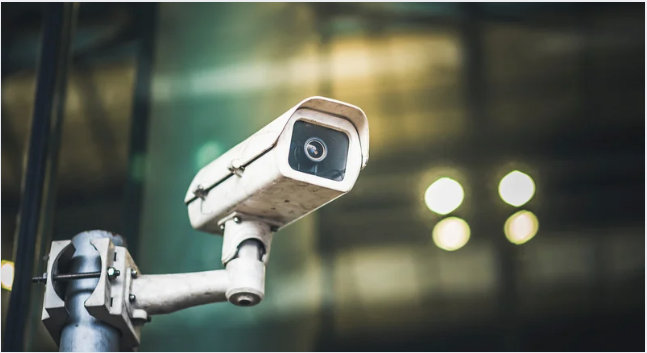
Security Concerns Rise in Pakistan Experts Recommend CCTV Cameras
Street crime is up. Residential burglaries are making headlines. And for the average Pakistani family, the question is no longer whether to invest in home security — it’s where to start.
Across Karachi, Lahore, Islamabad, and smaller cities, security professionals and law enforcement officials alike are pointing to one consistent recommendation: CCTV surveillance is no longer a luxury. It’s a necessity.
Here’s what’s driving the concern — and what you can actually do about it.
The Ground Reality: Why Security is Deteriorating
Pakistan’s urban population has grown rapidly over the past decade, and with it, the pressure on law enforcement to cover more ground with limited resources. Police response times in large cities remain slow, CCTV coverage on public streets is patchy, and organised crime networks have grown sophisticated.
Common security incidents reported by Pakistani homeowners in 2025–2026 include:
- Residential break-ins during daytime hours when families are out
- Motorcycle snatching outside residential gates
- Domestic theft by temporary staff with no background checks
- Gate fraud — strangers posing as delivery or utility workers
- Targeted robberies based on observed routines
The trend cuts across all income levels. Whether you live in a Defense bungalow or a middle-class neighborhood, your home is a target if it looks unmonitored.
What Security Experts Are Saying
Security consultants working across Pakistan’s major cities have been consistent in their advice: visible cameras change criminal behavior before an incident even happens.
“A thief will walk past a house with cameras and knock on the next door without them,” says one Karachi-based security consultant who works with residential communities in Clifton and DHA. “The deterrence value alone justifies the investment.”
Beyond deterrence, cameras serve a critical second purpose — evidence. In a country where eyewitness accounts are often unreliable and police investigations can stall, video footage dramatically increases the chances of identifying perpetrators and recovering stolen property.
Insurance companies operating in Pakistan have also begun offering discounts to homeowners who can demonstrate CCTV coverage — a sign that the industry is acknowledging what security experts have known for years.
What Kind of CCTV System Do You Actually Need?
Not all cameras are created equal. The Pakistani market is flooded with cheap, low-resolution systems that look impressive in the box but fail when you actually need them.
Here’s what to look for:
Resolution and Night Vision
A camera that can’t capture a clear face at night is nearly useless. Look for cameras with at least 1080p resolution and genuine infrared night vision — not just “night mode” that turns everything a blurry green.
Weatherproofing
Pakistan’s climate is punishing — summer heat in Karachi, monsoon humidity, and Lahore’s dusty winters. Any outdoor camera needs an IP66 or higher weatherproof rating to survive more than a few months.
Remote Viewing
Modern IP cameras let you watch live footage directly from your smartphone — from anywhere in the world. If your system doesn’t offer this, you’re working with outdated technology.
Cloud and Local Storage
A camera that only stores footage on a local hard drive is vulnerable — a thief can steal the DVR along with your valuables. The best systems offer cloud backup so footage survives even if hardware is taken.
Pakistani Homeowners Are Turning to Vstarcam
One brand that’s been gaining serious traction among Pakistani homeowners is Vstarcam, known for its smart IP cameras with built-in Wi-Fi, two-way audio, and mobile app integration. If you want to explore their camera range — including indoor, outdoor, and PTZ models — vstarcam.pk is the official destination for Pakistan, with products specifically stocked for local conditions and power setups.
Installation: DIY or Professional?
This depends on your home size and technical comfort.
DIY setups work well for apartments and small homes. A 2–4 camera Wi-Fi system with cloud storage can be self-installed in an afternoon. Brands available on local platforms make this increasingly simple, with app-guided setup and plug-and-play hardware.
Professional installation is recommended for larger properties, commercial spaces, or anyone who wants a fully integrated system — cameras linked to motion sensors, alarms, and remote monitoring. For end-to-end security solutions and professional setup support in Pakistan, mygss.pk offers a comprehensive range of surveillance and alarm products, with guidance for both residential and commercial customers.
The rule of thumb: if you have more than 6 cameras or need wired infrastructure, go professional.
Placement Strategy: Where Should Cameras Go?
Even a top-of-the-line camera is wasted if it’s poorly placed. Pakistani security professionals recommend the following priority points:
- Main gate and entrance — capture every face that enters
- Front door — the most common entry point for burglars
- Back door and servant entrance — often overlooked but frequently exploited
- Driveway — to capture vehicle number plates
- Ground-floor windows — especially those facing side streets or blind spots
- Living room or lounge — for indoor monitoring (domestic safety)
Place at least one camera high enough that it can’t be easily reached and disabled. Visible cameras deter; hidden cameras catch.
Don’t Forget These Supporting Measures
CCTV works best as part of a layered security approach. Pair your cameras with:
- Motion-sensor lights that activate when someone enters the perimeter
- A loud alarm siren triggered by sensor breach
- UPS backup so your system stays online during load-shedding
- Secure routers — an unsecured Wi-Fi network can allow someone to access or disable your cameras remotely
- Regular footage review — many homeowners set up cameras and never actually check the footage until after an incident
The Cost Question: Is It Affordable?
The short answer: yes, more than ever. The cost of home CCTV systems in Pakistan has dropped significantly over the past three years as Chinese manufacturing scaled up and local distribution improved.
A basic 2-camera Wi-Fi system with cloud storage can cost as little as Rs. 8,000–15,000. A solid 4-camera wired setup with a DVR runs Rs. 25,000–50,000 depending on quality. Professional-grade 8-camera systems with analytics and cloud backup sit between Rs. 80,000 and Rs. 1.5 lakh.
Compare that to the average value of items stolen in a residential burglary — and the peace of mind for your family — and the math is simple.
A Final Word
Pakistan’s security landscape is not improving on its own. Waiting for law enforcement to close the gap is not a strategy. The families that protect themselves are the ones that take ownership of their perimeter — with cameras, lights, alarms, and community vigilance.
If you’re ready to take that first step, start by browsing what’s available from reputable local suppliers like vstarcam.pk for smart camera hardware and mygss.pk for complete security system solutions. The investment is smaller than you think. The peace of mind is priceless.
Your home shouldn’t be the easy target on the street. Make sure it isn’t.